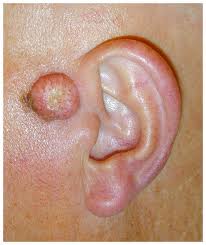
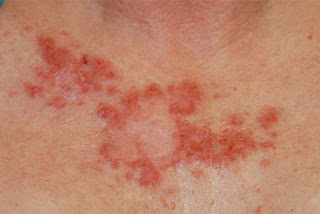
Showing posts with label skin cancer signs. Show all posts

Friday, November 18, 2011

Skin Cancer Death Rates Are Stabilizing - 4 Steps to Skin Cancer Prevention

Is the population finally paying attention?

Skin cancer deaths have slowed down and our doctors say it is because we are paying more attention to to the possible cause.

The National Institutes of Health indicates that skin cancer is the most common form of cancer in the United States. Basil and squamous cell carcinomas are the most often diagnosed forms of skin cancer, and while melanoma is less common, it is the most deadly. Pre-cancers appear in the form of actinic or solar keratosis, which, if left untreated, may develop into squamous cell carcinomas.


The skin cancer expert

If I have any expertise concerning skin cancer, it comes from nearly 30 years of dealing with it. Although I have lost count, I have had at least four squamous cell, one basil cell and four melanomas..

That's the bad news. The good news is I am still alive!

If you or a loved one has melanoma, then take heart. I survived it four times. So can you.

Medical science is still not totally sure what really causes skin cancer. Current theory is that it results from exposure to harmful UV radiation from the Sun. But if this is the case, why does it sometimes appear inside the mouth, the eyes or in one case I recently read about, on the soles of the feet.

Nearly 9000 people die every year from melanoma

According to Cancer.com, a website developed by Ortho Biotech Products, Melanoma, the most serious type of skin cancers, accounted for about 68,720 cases of skin cancer in 2009 with about 8,650 melanoma deaths.

This much is certain, this isn't an epidemic, but that knowledge is little comfort to people like me. Once melanoma cells reach the lymph nodes and have spread through the body, which happens if it is not caught soon enough, the usual cancer treatment regimen will begin. This includes chemotherapy, radiation and so on...followed by getting one's affairs in order.

The only cure for any form of skin cancer is to completely remove it before it spreads. In the case of solar keratosis, this type can be removed through cryosurgery; that is, freezing it off with liquid nitrogen. This is a temporary measure as, in my case, these skin lesions return in a few month's time. A second treatment involves a very aggressive skin cream that actually devours the lesions and surrounding skin. This treatment takes three to four weeks, and when used on the face, the patient looks like he tangled with a mentally deranged cat with sharp claws.

Basil cells can also be removed with cryosurgery if they are not too advanced. But most often they have to be cut out too.

Squamous cells and melanomas are removed surgically. My last surgery for melanoma removal involved three surgeries in order to get it all. I have a seven inch scar (shaped like the number 7) up into the hairline on the left side of my head.

Preventative Measures

OK, so let's assume that our health care profession is partially correct in saying that UV radiation from the sun is the cause of skin cancer; there are preventative steps we can take--just in case they are right.

1.)When outdoors cover all exposed areas. A white "T" shirt is useless in this regard. To protect yourself from UV radiation, wear dark colored, tightly woven, lightweight fabrics. UV light easily penetrates loosely woven, light colored garments.
2.)If skin is exposed, lather-up with a good quality sun blocker with a protective factor of at least UPF 30
3.)Wear a broad-brimmed hat that protects the head, ears and neck.
4.)Re-examine your diet. Some cancers can be prevented by following a diet rich in vitamins, minerals and above all-anti-oxidants. And avoid or neutralize acidic foods.
Many researchers agree that a healthy diet is one of the best means of preventing many types of cancer.

If you, a family member or friend has been diagnosed with malignant melanoma or any other form of cancer, then by all means follow the advice of your health care provider. But at the same time, it will be a great benefit for you to learn about alternative, natural treatments that are curing thousands of cases around the world. The knowledge you will gain here is priceless.

More Information

Article Source: http://EzineArticles.com/4382148

3 Types of Skin Cancer Explained

Skin cancer is a condition that develops as a result of prolonged exposure to ultraviolet light. This prolonged exposure then causes the skin cells to grow in a rapid, out of control way ultimately leading to the formation of a cancerous tumour on the skin. Approximately 60,000 people in the UK develop this condition each year. However, what many people do not know is that not all skin cancers are the same. There are actually three different types; Basal Cell Carcinoma, Squamous Cell Carcinoma and Malignant Melanoma. In this article article I will be discussing these three in greater detail.

1) BASAL CELL CARCINOMA (BCC):- This is the most common form of skin cancer and accounts for 75% of all diagnoses. As the name suggests it begins when the process of cell division goes wrong in the basal cells of the epidermis (the outer layer of the skin) and a cancerous tumour forms. This tumour often looks like a red ulcer on the skin which may bleed, crust or itch and is often given the nickname 'rodent ulcer'. Basal cell carcinoma typically appears on areas of the body that are exposed to the sun such as the arms, legs and face. Although it is the most common type of skin carcinoma it rarely kills. However, it can disfigure the skin if left untreated for a long period.

2) SQUAMOUS CELL CARCINOMA:- This type of skin cancer accounts for between 15% and 20% of skin cancers. It begins when the squamous cells of the epidermis start to grow in a rapid and uncontrollable way which ultimately leads to the development of a cancerous tumour. This tumour often resembles a hard red lump or a flat, scaly, scab like area. Like BCC, squamous cell carcinoma often appears on parts of the body that are exposed to the sun and rarely kills. However, if left untreated it can spread to other areas of the body.

3) MALIGNANT MELANOMA:- This type of skin cancer represents less than 10% of diagnoses. It develops in melanin producing skin cells called melanocytes. Malignant melanoma begins when the process of cell division goes wrong in these melanocytes and they start to divide and multiply uncontrollably leading to the development of a tumour. This tumour has a large, brown mole like appearance and can appear on your arms, back, leg or face. Although it resembles a mole there are subtle differences, Malignant melanomas are often a different colour to normal moles and they are often larger and more uneven. Unlike BCC and SCC, this type of cancer is very dangerous if not treated quickly and accounts for the majority of skin cancer fatalities.

I hope this article has given you an insight in to this type of cancer. Whilst skin blemishes and odd looking moles may be non-cancerous they are a cause for concern. If you notice anything suspicious on your skin which does not disappear within a month then you should go see your doctor immediately. Early detection is a key element in the successful treatment of skin cancer and so it is far better to take the time and get yourself tested.

Whilst every intention has been made to make this article accurate and informative, it is intended for general information only. Skin cancer is a very serious, life threatening condition and you should discuss any concerns, treatments or lifestyle changes fully with your doctor.

Tom Parker owns and operates a number of useful fitness resources and websites. You can learn more about the various types of skin cancer and how improving your fitness can help you prevent cancer by visiting Free Fitness Tips.

Article Source: http://EzineArticles.com/2101672

3 Prominent Skin Cancer Risk Factors

Around 60,000 people contract skin cancer each year. It begins when your skin cells start to grow in a rapid and out of control way. This then leads to a malignant (cancerous) tumour forming on your skin. Whilst exposure to sunlight is the leading risk factor for this type of cancer there are others too. In this article I will be discussing three of the main skin cancer risk factors.


1) EXPOSURE TO ULTRAVIOLET (UV) LIGHT:- As I mentioned above this is the main risk factor for this type of cancer. The reason for this is that UV rays cause damage to the DNA in your skin cells increasing the chances of cell division going wrong and cancer forming. Sunlight contains UV rays so prolonged exposure to the sun through spending a lot of time outdoors can increase your risk. Sunbeds and sunlamps also emit high doses of UV light and so make you more likely to develop this condition.

2) LIGHT SKIN:- People who have light skin are more likely to develop skin cancer because their skin offers less protection from UV rays. Those with very light skin that goes red or freckles in the sun are most at risk, especially if they were heavily exposed to UV rays from an early age. Contrastingly people with dark skin are much less likely to develop this condition because their skin contains a melanin pigment which offers protection from UV rays.

3) GENETIC FACTORS:- There are a number of genetic factors that can increase your chances of contracting this type of cancer. First, having two or more family members that developed skin cancer is thought to increase your risk. Secondly, having blonde or red hair makes you more likely to develop this disease. Thirdly, people with blue eyes are thought to be at a greater risk than those with other eye colours. Finally, people with a large number of freckles or moles on their skin are thought to have a greater chance of developing this cancer.

Unlike other cancers you have full control over many of the risk factors linked to skin cancer. Long term exposure to UV rays makes you more likely to develop this condition especially if you have light skin, blonde or red hair, blue eyes or lots of freckles and moles. Therefore, if you know you are going to be out in the sun for long periods take the necessary precautions by covering your skin and wearing sun cream. If your genetic features make you an even higher risk for this type of cancer then make sure you take shelter regularly and avoid prolonged exposure to UV rays when you can. If you take these precautions you should be able to reduce your skin cancer risk.

Whilst every intention has been made to make this article accurate and informative, it is intended for general information only. Skin cancer is a very serious, life threatening condition and you should discuss any concerns, treatments or lifestyle changes fully with your doctor.

Tom Parker owns and operates a number of useful fitness resources and websites. You can learn more about the various skin cancer risk factors and how improving your fitness can help you prevent cancer by visiting his Free Fitness Tips Blog

Article Source: http://EzineArticles.com/2099238

Wednesday, November 16, 2011

Why Do Skin Cancers Return?

In this article I would like to talk about skin cancers again.

When you go to the surgeon and have a skin cancer removed and the surgeon is happy that all traces of the skin cancer are now gone and he tests the results under the microscope, to confirm for your benefit that all traces are now gone, then for all intents and purposes that's it end of story.


Why then do they say come back in six months or twelve months for a check up? Is it possible that once the skin cancer is removed,that it no longer exists,and if it no longer exists because it Has been removed then how come six months Or twelve months later when you have that routine checkup the surgeon finds another skin cancer and tells you that it has returned. Did it return,or is it a new skin cancer?

I believe that it is a new one and I will explain why I have that belief. When we get sunburned do we simply get burned on a very small area or do we normally get burned all over. Yet we expect to only have the skin cancer localized to Some small area of our face or body,now that is not logical when You think about it is it? Once the skin cancer is removed it is gone for good because the tissue is no longer there. I was asked the other day, do skin cancer cells come back years later.

I then did some research to confirm my suspicions this article is based on the result of that research and on my own results over the past three and a half years. There are over 10,000,000,000,000 cells in our bodies. The biggest organ in our body is the skin,It covers and protects everything inside the body. Every minute of every day twenty four hours a day three hundred and sixty five and a quarter days of the year,year in year out until we no longer exist, we lose about 30,000 to 40,000 dead skin cells off the surface of our skin.

It takes about 15 days to a month for the skin cells to replace themselves. This you observe when you cut yourself and it heals over within a few weeks. Skin cancers become active at different stages,we are fortunate for that because if they all became active at once we would not survive.. When that happens a new skin cancer becomes active on another part of the body or extremely close to the area where the last one was removed.

This is a completely new skin cancer not a continuation of the one that was completely removed either by the surgeon,doctor or other means. If then as I believe this is a new skin cancer then we must treat it as a new skin cancer and not a regeneration of the one that was removed earlier. All the more reason why we need to take control of our own health by maintaining a healthy diet avoiding as much as possible acid forming foods and drinks,and observing our own bodies becoming aware of changes in our skin. I personally now can tell when a skin cancer becomes active on myself.

The results are very accurate. When a skin cancer becomes active on my face,arms,chest,back,or legs I notice that especially in hot weather it gets itchy and most times a little red its always in the same spot its as if I had spilled battery acid on that isolated area,these areas are I found require attention before they get worse. Here is a link to a video I put up on you tube about some of my skin cancers.

http://au.youtube.com/watch?v=2klWOEMCFac&feature=channel_page

This information could save your life as it did mine.
Joseph Ripolles
http://www.digitalsolutionscentre.com/skin-cancer-alternative4737/skin-cancer-how-i-effectively-removed-an-infiltrating-basal-cell/

Article Source: http://EzineArticles.com/1946461

Famous People With Skin Cancer in Politics and Entertainment

Skin cancer is on the rise around the world and it doesn't care how much money you make. Although scientists are not entirely clear why more people are getting skin cancer than ever before, it's thought that climate change may play some part. The ozone layer cannot block harmful UV rays from the sun as well as it could even twenty years ago. But if you've been diagnosed with skin cancer, you're in good company. There have been many famous people with skin cancer who were successfully treated.

Senator John McCain


The 2008 Republican nominee for President, Arizona Senator John McCain, would certainly approve this message for you to get any strange mole checked out by your doctor as soon as possible. Unlike other types of cancers, skin cancers can usually be successfully removed by surgery. McCain was diagnosed with malignant melanoma on his left arm in 1993. Another melanoma was removed from his face in 2000. This is the most serious type of skin cancer, but McCain has been cancer-free since 2000. Perhaps McCain was emulating one of his role models.

President Ronald Reagan

One of the most famous people with skin cancer was President Ronald Reagan, who was diagnosed with the disease while he was still in office. He had a lump removed from his nose in 1987. It returned six months later. It is very rare for a skin cancer such as he had to return. Sadly, in 2001, Ronald Regan's daughter Maureen died of skin cancer at age 60.

Regis Philbin

Although unknown outside of the United States, beloved talk show and game show host Regis Philbin had two skin cancer lumps removed through two separate procedures called Mohs surgery (also known as chemosurgery). The first lump was a sqaumous-cell cancer that had to be removed from his hand. The second was more serious and on his face. Philbin is yet another in a list of famous people with skin cancer who survived it.

Bob Marley

Sadly, not all people with skin cancer survive. Bob Marley was only 36 years old when he was not only the reigning king of reggae, but also dead from a combination of melanoma and brain cancer. He left behind not only thousands of grieving fans, but a wife, eight mistresses, thirteen children and no will. He learned in 1977 he had skin cancer and was dead by 1981. Marley delayed getting any treatment due to his spiritual beliefs and fear of going under the knife.

One of the big worries about skin cancer is that it could spread to other parts of the body, thus compromising any chance of recovery. Even famous people with skin cancer can still die from it. It can't be stressed enough to seek help if you discover any strange moles on your skin. You also can help prevent skin cancer by wearing sunscreen and a wide-brimmed hat when outside.

Wendy Pan is an accomplished niche website developer and author. To learn more about famous people with skin cancer [http://preventskincanceronline.info/famous-people-with-skin-cancer-in-politics-and-entertainment], please visit Preventing Skin Cancer Online [http://preventskincanceronline.info] for current articles and discussions.

Article Source: http://EzineArticles.com/1630031

Tips For Preventing Skin Cancer

Skin cancer is a dangerous disease. It is important to get it checked as soon as you discover some of the symptoms that indicate skin cancer. However, as the experts have always said, 'prevention is better than cure.' You should focus on prevention skin cancer from attacking your skin. There are several ways to prevent skin cancer.

First and foremost, you should take special care to limit your exposure to Ultra Violet rays of the sun. Exposure of skin to these rays increases the risk of developing skin cancer. You must avoid going out in the sun between 11: 00 a.m. and 4: 00 p.m. If you have to go out in the sun, make sure that you take necessary precaution to protect yourself from the harmful ultra-violet rays of sun.


Apply a good sunscreen with high SPF or sun protection factor. Try to apply sun screen generously before going out in the sun. Don't forget to reapply the sunscreen after every half an hour.

A lot of studies in this regard have proved that applying a good sunscreen can prevent skin cancer. Try to dress in dark colors. Also wear sunglasses to protect your eyes and surrounding tissues from absorbing the harmful ultra-violet rays of the sun.

Most people are under a notion that a tanning bed can be safe option. This is a wrong notion. A tanning bed can prove to be more dangerous than exposing your skin to sun's rays. The best method is to use a sunless tanning lotion. You can purchase it from any of the local department store. It is available in different varieties for different skin types. However, remember that a sunless tan lotion will not provide you SPF protection. You need to see the label in order to make sure that a sunless tan lotion is providing an SPF.

When it comes to skin cancer, anyone can develop skin cancer. It does not attack any particular age, race or skin type. The disease also does not spread according to a particular geographical location. However, certain skin types are more vulnerable to skin cancer as compared to others. People with fair skin, light hair and light eye color or a large number of moles or freckles are more vulnerable to skin cancer.

If some one in your family suffers from skin cancer. It is more likely that you may develop this disease.

Here are some tips to prevent skin cancer:

Tip 1

You should know about the genetic factor such as fair skin, light-colored eyes, a lot of moles or freckles or even a tendency to develop sun burn easily.

Tip 2

Do not spend a lot of time outdoors. If you had a serious sun burn at a certain point in your life, went to a tanning salon or used a tanning bed, you may develop skin cancer. Visit a skin specialist as a precautionary step.

Tip 3

Always use sunscreen and lip balm when going outside. Make sure that you wear protective clothing and good quality sunglasses.

Tip 4

Have a diet rich in antioxidants as it will support your immune system.

Tip 5

Avoid sun tanning, tanning beds or tanning salons.

Tip 6

Keep checking your body regularly for any moles lesions or skin irregulation.

Limit exposure to reflective surfaces such as snow, water, concrete and sand. Remember that water activities can increases exposure to reflective UV rays.

For more Articles, News, Information, Advice, and Resources about SKIN CANCER please visit SKIN CANCER REPORT

Article Source: http://EzineArticles.com/1069380

Are You At Risk for Skin Cancer on Your Nose?

Most people get skin cancer after frequent sun exposure over long periods of time. In fact, nearly 75 percent of the people diagnosed with skin cancer each year have histories of frequent sun exposure. Although it can occur after a severe sunburn, it is usually the result of many years of being in the sun. If it is a result of long-term exposure, you may be surprised to learn that you are at risk for skin cancer on your nose.


Do you think that spot on your nose might be cancerous? There are three main ways in which cancerous sores differ from other skin growths or marks. First, however, if you even think that this spot could be cancerous, schedule a visit with your doctor immediately! A definite diagnosis can be made only after a biopsy has been performed.

More than 99 percent of people diagnosed with skin cancer have one of three major types. The first of these is basal cell skin cancer. People who develop these sores find that a scab or pimple grows on their skin, drains or bleeds, and scabs over again. Rather than healing, however, it continues to repeat this cycle. In comparison, squamous skin cancer often looks much like basal carcinomas. They may also look like rough, scaly skin patches that do not disappear.

These first two types of cancer usually appear in areas, such as the nose, that frequently receive direct sun. The skin on the nose is very tender, and is at high risk for developing a nonmelanoma cancer. Both of these types are very treatable when removed surgically.

Usually, people develop nonmelanoma cancers on the face or nose, but sometimes a melanoma can occur on a person's face. Because this type of cancer spreads rapidly, it can be deadly if not detected and treated very early. Sometimes it is hard to tell the difference between the two types. This is why seeing a doctor as soon as you notice something wrong is so important.

If you believe you might have skin cancer on your nose, schedule an appointment with your doctor right away to get it checked. Skin cancers are almost always treated successfully if you are able to catch it in the very early stages. Your life may depend on early detection and diagnosis of that bothersome sore on your nose, so don't delay!

http://www.SkinCancer-101.com is a website fully committed to giving you the very best information regarding types of skin cancers, symptoms, and cures. Making critical decisions can be very important in any particular stage of skin cancer. If you would like to know more about skin cancer on your nose or you simply want to know more of the realities of skin cancer symptoms, we've got you covered!

Article Source: http://EzineArticles.com/1064979

Five Signs of Skin Cancer That Could Save Your Life

More people throughout the world are diagnosed with skin cancer than any other type of cancer. Most physicians agree that almost all skin cancers, if detected and treated in the early stages, are curable. Therefore, everyone should be able to recognize the signs of skin cancer and report them to their doctors.

There are five primary characteristics of skin cancer. These signs can be easily memorized; they correspond with the first five letters of the alphabet. They are often referred to as the ABCs, or ABCDEs, of skin cancer.


The first sign is designated 'A' for asymmetry. Most malignant skin growths have an irregular shape. The second sign, 'B', reminds readers that cancerous tumors often do not have regular, easily distinguishable borders. Color is denoted by 'C', reminding people that cancerous growths are frequently multicolored in appearance, and may be black, white, brown, red, or blue.

'D' is used to describe the diameter of these growths. Tumors larger than ¼ inch in size are much more likely to be cancerous than benign. Finally, the letter 'E' is used to designate elevation. This is because neoplasms are frequently elevated above the skin's surface, and their surfaces typically appear uneven.

The diameter, or size of the skin lesion, is described by "D," and reminds people that growths that are greater than a quarter of an inch in size should be evaluated by a medical professional. The final letter in the mnemonic is "E," which refers to elevation. Skin cancers are often raised above the surface of the skin, and have an uneven surface.

Besides these five signs, other characteristics of cancerous tumors are sores or pimples that bleed or drain fluid. They may scab over, but do not heal. Usually, they open and begin to drain once more. Sometimes, these sores may hurt or be tender when touched or probed. At times, they may itch. Most of the time, however, these sores do not hurt or itch.

People who have fair skin or freckles, or are frequently exposed to the sun for long periods of time may be at risk for skin cancer. Other people who are at highest risk of developing some type of skin cancer are those who have had it previously, or who have a family member with a history of skin cancer. If you are one of these people, it is especially important to be aware of these signs of skin cancer. Successful treatment may depend on your quick recognition of a cancerous tumor!

http://www.SkinCancer-101.com is a website fully committed to giving you the very best information regarding types of skin cancers, symptoms, and cures. Making critical decisions can be very important in any particular stage of skin cancer. If you would like to know more about the different signs of skin cancer or you simply want to know some skin cancer treatments, we've got you covered!

Article Source: http://EzineArticles.com/1054776

Skin Cancer Symptoms - How Do You Know If You Are Affected?

Sun exposure has been linked for several years with skin cancer. More people are diagnosed with this cancer than with any other. Therefore, it is important to learn about skin cancer symptoms in order to protect yourself and the ones you love.

Skin cancer often appears as a growth on the surface of the skin. Moles or marks that have been present since birth are rarely cancerous. Changes in the appearance of these moles or marks, however, can be a sign of malignancy, and should be evaluated by a physician.


Sometimes skin cancer looks like a sore or pimple that does not heal. These areas may bleed, or seep clear fluid. They may develop scabs, appearing as though they are beginning to heal, but then begin to bleed or seep again.

Different skin cancers develop in different areas of the body. Basal cell carcinomas usually appear on skin surfaces frequently exposed to sun, like the face, neck, or upper back, and occasionally the hands or arms. They often seep yellowish fluid, scab over, and begin again to ooze. When the skin is pulled taut, basal cell cancers are often light grey in color. Sometimes tiny blood vessels can be seen inside the tumors.

In comparison, squamous cell carcinomas are more likely than basal cell cancers to appear on the backs of the arms or hands, but are found most frequently on the face, neck, or upper back. These appear as painful reddish, scaly growths. These also seep or bleed, scab over, and drain again.

Malignant melanoma, the most dangerous type, usually appears on the trunk or legs. These may appear as changes in moles or freckles, or may begin to grow spontaneously from a part of the skin that appears completely normal. These are often multi-colored, and can be brown, black, white, red, or blue.

Rarely, people may develop other types of skin cancers. Kaposi's sarcoma is found in people with weakened immune systems, such as persons with human immunodeficiency virus (HIV), or those who have had organ transplants. These are painful purple spots that appear on the skin and can spread to the lungs or digestive organs.

People with a high risk for skin cancer, such as those frequently exposed to sunlight or individuals with a family member who has had cancer should consider examining their skin often. Skin cancer is usually very curable if it is found and treated early. Being aware of skin cancer symptoms and examining your skin often will allow you to get medical treatment early, and may save your life.

http://www.SkinCancer-101.com is a website fully committed to giving you the very best information regarding types of skin cancers, symptoms, and cures. Making critical decisions can be very important in any particular stage of skin cancer. If you would like to know more about skin cancer symptoms or you simply want to know if their is truly a skin cancer cure, we've got you covered!

Article Source: http://EzineArticles.com/1018403

Types of Skin Cancer - Which is Most Serious?

Water, sunlight, and warmth are essential to life. People require frequent exposure to natural sunlight in order to produce Vitamin D, an essential vitamin needed for growth, and to develop healthy bones and teeth. In recent decades, however, sunlight has also been implicated as a cause of some types of skin cancer.

While both types of ultraviolet rays are associated with skin cancer, some skin cancers are caused by genetic factors. In fact, recent research has indicated that cell mutation and abnormal genes probably play a much more significant role in the development of skin cancer than was originally believed.

Although anyone may develop skin cancer, some persons are at higher risk than others are. Those persons who should be concerned most about sunlight exposure include individuals with fair skin, those who live in areas that are close to the equator, and those who spend a significant amount of time outside.

Three primary kinds of skin cancer have been identified. Each of these is associated with a particular skin cell. The first of these is called basal cell carcinoma, and begins in the skin's basal cells. Nine-tenths of all individuals diagnosed with skin cancer in the United States have this kind. Since it grows slowly and usually does not spread, it is considered to be the least serious variety with which a person can be diagnosed.

The second type is more serious than basal cell carcinoma, but is also a nonmelanoma. Squamous cell cancer affects keratinocyte, cells in the outer layer, or epidermis, of the skin. This type does spread in approximately three percent of all sufferers, but usually spreads slowly. Therefore, it can often be diagnosed and surgically removed before it affects other body organs.

A few other types of nonmelanoma skin cancer do exist, but they are extremely rare. Less than one person in 100 who develops a nonmelanoma cancer will develop one of these kinds. These cancers include Kaposi's sarcoma, Merkel cell carcinoma, and T cell lymphoma of the skin.

The final type is most serious. Melanoma is a cancer that originates in melanocytes, the cells responsible for producing melanin. The amount of melanin present in skin tissue determines the lightness or darkness of the skin's color. Malignant melanoma can spread rapidly and invade vital organs and other body tissues. Prompt diagnosis and treatment is crucial to a successful cure.

Each of these types of skin cancer is usually curable when detected and treated early. For this reason, it is extremely important to take note of any skin changes, and to report these to a physician as soon as they are noticed.

http://www.SkinCancer-101.com is a website fully committed to giving you the very best information regarding types of skin cancers, symptoms, and cures. Making critical decisions can be very important in any particular stage of skin cancer. IF you would like to know more about types of skin cancer or you simply want to know the causes of skin cancer on nose, we've got you covered!

Article Source: http://EzineArticles.com/1018399

Skin Cancer Symptoms

There are many types of skin cancers. The types of cancers depend upon the area affected and the severity of the disease. A skin cancer can damage any part of the body. The symptoms also differ from the type of cancer developed.

The three types of cancers are BCC, SCC and melanoma. The main symptoms of BCC are:


a. on the skin bumps develop in the form of a circle and the bumps are usually in the shape of a pear. If they swell then immediately visit should be made with the doctor. These bumps usually occur in the areas that are often exposed such as face, neck or shoulders.

b. When crusts develop on the lump, they may bleed and cause infection. If such symptoms are noticed they immediately visit the doctor because this bleeding can be the early cause of cancers.

The BCC and SCC develop in the similar form. Following are the symptoms of SCC.

a. the SCC develops in a form of patch in the skin at the initial stage. The size of the patches is usually form and appears on the face like a scale. It of course! Causes a lot of discomfort to the skin. They usually appear on those areas that are exposed to the radiations of sun most of the times.

b. Similarly like BCC they later on began to bleed and develop in the form of an ulcer. Most of the patients who develop it think that he has developed an ordinary swelling but he may not be aware that it may cause a major problem to him. But he must realize that it may lead him to cancer.

If these symptoms are neglected at an early stage then the large of these bumps obviously enlarge. Then these bumps develop cancerous cells within them.

If you develop melanoma then you notice the following symptoms:

a. in the initial stage you develop moles and when the moles develop they become cancerous. You must realize the onset of skin melanoma if you notice large moles in your adulthood or if you are feeling itchy or discomfort due to the presence of mole in the skin.

b. You must be able to identify moles. The moles are usually encircled by some peculiar elements. The color of the mole appears somewhat brown or red. You may notice lesions also.

There are many types of skin cancers as the skin is made up of many layers and each layer consists of many cells. The type of skin cancers depend upon the layer infected and the cells damaged. The skin is made up of three main layers and the three main layers consist of three main types of cells. The outer most layer is known as epidermis and it consists of three cells. The second layer is known as dermis layer and the inner most layer is known as subcutaneous layer. This innermost layer consists of fat and loose cells. When skin cancer is caused the layer that is most affected is the epidermal layer.

1. As you know there are three types of cancers ie. Basal Cell Carcinoma (BCC, Squamous cell carcinoma (SCC) and Melanoma.

Basal cell carcinoma: the basal cells that are found in the epidermis are affected by the cancer. This cancer is mostly caused to people with fair skin. When this cancer develops the basal cells enlarged. This disease is mainly caused to people who are often exposed to sunlight. The cancer becomes malignatnt if not treated for a longer time. The cancerous cells spread due to the development.

SCC: The Squamous cells are the outermost lining cells of the epidermal layer. If these cells are affected they can affected the entire skin or the entire layer of epidermis. It should be treated at the right time or else the cells become malignant. these cells do not have the property of metastazing even if they are left untreated for a longer period but they may just spread to the nearby tissues.

Melanoma: it is the most hazardous type of cancer compared to the other types of cancers. In the lower area of the epidermal layer melanocytes are present. They are responsible for the secretion of pigment known as melanin when it is exposed to sunlight. This disease is so dangerous that it can spread to the inner organs also.

The treatment of skin cancer also depends upon the type of disease he is experiencing. There are many types of skin cancers. If a person is diagnosed with melanoma, then he must undergo very systematic form of treatment. Even the doctors should treat such patients so carefully that the cancer should not spread to the other cells. But a person who is undergo BCC or SCC can be treated with localized treatment.

Visit Health Care Guide to know about Daignosis and Tests of Skin Cancer and How to Prevent Skin Cancer.

Looking for Health Related Content / Medical Content Writer! Look No further .. CWS Content Writer Services are pioneer in Health / medical Content Writing . We have In house Team, of Professional Medical writers to satisfy your requirement. Get Unique Health Related Content At Lowest rates.

Article Source: http://EzineArticles.com/942488

Can What You Eat Really Affect Skin Cancer?

Skin cancer is something we are all well aware of. The dangers are constantly around us, and we are led to believe that the only way we can possibly get skin cancer, is if we expose our skin to too much sunlight without wearing protection.

However, there are some studies which claim that what we eat can also have a drastic effect on our chances of developing the condition. On the other hand some studies say that our diet cannot affect the condition. So what are we supposed to believe? Can our diet really affect our chances of getting skin cancer? Or is it just a load of rubbish?


Skin Cancer and Our Diet

There is also some kind of research going on in order to find links between our lifestyle and cancer. We all know that our diet affects our skin, but did you know that your diet could also affect skin cancer?

The suns UV levels are apparently a good source of vitamin D for our bodies. Whilst that may be true, there are people that go off into the sun without adequate protection, thinking that Vitamin D will help them reduce the risk of skin cancer, as well as other cancers, and that they will not be harmed because Vitamin D is good for them.

However, whilst it is true that the sun does help our bodies to have a higher Vitamin D production, it is still well known for giving us skin cancer. This means that we need to get our Vitamin D from other sources, for example in our diets.

It is thought that fatty diets increase our risk of developing skin cancer. Studies have been done on mice, where scientists have underfed a group of them, exposed them to chemicals which promote skin cancer, and they have found that fewer underfed mice developed the condition compared to the other group of mice who did not have their calorie intake reduced.

So this showed that somehow, eating healthier and having a calorie restricted diet, somehow helped to promote a protective hormone, which stopped some of the mice developing skin cancer. However, the studies have not shown fully which gland produced the hormone, so those tests are currently incomplete.

There is no denying that the diet plays a big part in our skin condition, and it is more than likely that it does in fact affect our chances of developing skin cancer. So what foods should we be eating?

Oily fish is extremely good for the skin and fish such as salmon can really help to cut chances of skin cancer down. This is because the omega three fatty acids help to repair DNA damage caused by the cancer.

Eating oily fish three times a week has been proven to reduce a persons risk of burning in the sun right down after a month, and after three months, the risk of burning in the sun is further reduced by up to 33%.

However, whilst they may help to cut down the risk, they are still no match for fierce sun levels and sun protection should still be worn.

It is thought that a healthy diet is your best defense against all forms of cancer, and eating plenty of fresh fruit and vegetables is definitely the way to go! Cutting down on salty and sugary foods is also definitely a good idea, as is increasing the amount of calcium you get daily.

Overall there is research to say that diet affects skin cancer, and research to suggest that it does not. If you are unsure your best bet is to simply eat healthier anyway. Eating healthy is good for the skin whether you are trying to prevent skin cancer or not.

Trying to get at least five portions of fruit and vegetables a day is what you should be aiming for, and also cutting down on really fatty foods. If you are unsure about anything you can always consult a doctor or nutritionist and they will be able to give you more advice.

Keep YOURSELF looking and feeling great with these great FREE Beauty Tips from http://www.NaturalElements.co.uk In just seconds you can access over 36 beauty topics that will keep you looking younger and more radiant. You can now get the very latest information on Organic Skin Care by subscribing with RSS.

Article Source: http://EzineArticles.com/477609

Five Kinds of Skin Cancer

Learn self-examination of skin cancer, as a way to protect
yourself, that is easy and costs you nothing more than a few
minutes of your time once every few months.

It's really a good idea to probe a little deeper into the subject
of skin cancer. What you learn may give you the confidence you
need to spot, the first signs of skin cancer.


There are five different kinds of skin cancer. All of them are
dangerous though some are to be worried about more than others.
The most common type of skin cancer is Basal cell carcinoma with
over a million Americans developing this cancer each year.

Seventy five percent of all skin cancers treated are of this
variety. This type of skin cancer is believed by physicians to be
caused by a person spending too much time in the sun. Which is
why this type of skin cancers tends to be found ion the more
common places on the body that has sun exposure. This includes
the face, scalp, and upper torso.

Although they have more than one form basal cell carcinoma often
begins like a shiny bump. It takes the form of a sore that does
not heal or that heals and then becomes unhealthy looking once
again. These are slow growing; rarely spreading to other parts of
the body but still must be attended to quickly.

At least two hundred thousand Americans yearly are treated for
Squamous cell carcinoma, this is the second most common and
accounts for twenty percent of the cases of skin cancer. This one
is also blamed on too much sun but is more common among middle
aged and the elderly.

They first appear as a crusty spot, but one with that appears
reddened and irritated looking and does look very much like a
small growth or boil. If you notice something that looks like
this go immediately to your health care provider as Squamous cell
carcinoma can spread to other parts of your body.

The next in line is the most dangerous of the skin cancers. That
one is Melanoma and it affects four percent of those who are
treated for skin cancers. It is considered the most dangerous
because it is the most lethal.

Although if found early the cure rate is a stunning ninety five
percent effective. But once it begins its spread there is very
little hope. So if you see changes to a mole or a new mole,
especially if you are over thirty, see your health care provider
immediately.

The remaining one percent if divided between Paget,s disease and
Kaposi,s sarcoma. Paget,s occurs because of cancers in the sweat
glands of the intestines, genitals or urinary tract and so the
cancer shows up in the genital area or around the anus.

It can also come out around the nipples because of cancer of the
milk ducts though both men and women can have this problem. The
sores look a like normal patchy skin, rashes, and can be very
itchy or even painful. A biopsy is usually needed to determine if
its just a skin condition or its Paget,s. Kaposi,s sarcoma is an
AIDS related skin cancer related to herpes.

For more skin cancer information visit signs of skin cancer

Ron Keegan is a successful Webmaster and publisher of ArticleBankOnline.com a Health Directory with up to date information on health issues. http://www.ArticleBankOnline.com

Article Source: http://EzineArticles.com/249848

Signs of Skin Cancer - Finding the Threat


Skin cancer is the most frequently diagnosed malignancy in the world's population. Leading researchers theorize that nearly every case of skin cancer is curable if it is detected early enough. For this reason, learning about signs of skin cancer can literally save your life!

The signs of skin cancer can be described by a popular alphabetical mnemonic, or memory trick. Commonly known as the ABCs of skin cancer, each letter indicates a certain characteristic of those skin sores, or lesions, which may be cancerous. For example, "A" refers to asymmetry, because cancerous skin lesions are often irregularly shaped.

The second sign of a cancerous lesion, designated as "B," is a reminder that skin cancers, unlike normal moles or other skin tumors, often lack clearly defined borders. "C" stands for color, because cancer sores are often red, blue, white, or black in appearance, and look very different from benign skin growths.

The diameter, or size of the skin lesion, is described by "D," and reminds people that growths that are greater than a quarter of an inch in size should be evaluated by a medical professional. The final letter in the mnemonic is "E," which refers to elevation. Skin cancers are often raised above the surface of the skin, and have an uneven surface.

Other signs that characterize this type of cancer include the presence of sores that do not heal. These sores may begin to bleed or drain yellowish fluid for a time, then scab over and appear as though they are healing. They do not heal, however, but begin to drain and then scab over again.

Occasionally, cancerous tumors may grow from a mole or freckle. More often, however, these tumors appear as new growths on the surface of the skin. The presence of a new growth that can be described by any of the letters described above is a red flag; persons who discover these growths on their body should see a physician as soon as possible.

Although it is somewhat unusual, these sores may sometimes be painful or tender. Occasionally, they can itch. Most often, however, they do not cause tenderness or itching.

If you are an individual with fair or freckled skin, or if you frequently experience prolonged exposure to sunlight, or if anyone in your family has ever had skin cancer, be aware of these signs of skin cancer. Identifying a sore that may be skin cancer in its early stage may save your life!

http://www.SkinCancer-101.com is a website fully committed to giving you the very best information regarding types of skin cancers, symptoms, and cures. Making critical decisions can be very important in any particular stage of skin cancer. If you would like to know more about the specifics on the sign of skin cancer or you simply want to know the causes of skin cancer on nose, we've got you covered!

Article Source: http://EzineArticles.com/1018414

What is Skin Cancer and Who is Most at Risk?

If you have read a newspaper or listened to the news over the last few years, then you will know that there are always constant warnings telling us to protect our skin against skin cancer. Whilst many people do listen to these warnings, there are still a shocking amount of people who still ignore them.

If you are one of those people that do ignore the warnings you are likely to be thinking that there is no chance of you getting the cancer and that there is no harm in missing an application or two of sun tan lotion.


Skin Cancer and its Various Forms

Skin cancer is not as rare as some people think that it is. Whilst it is true that staying in the sun unprotected for a little amount of time, rarely leads to skin cancer, it still can occur. There are different forms of skin cancer, though some are extremely rare. The three most common types of skin cancer include:

Melanoma

This is less common than the other two types of skin cancer, though it can be a lot more serious. It develops from the melanocytes in the skin and is usually seen as a pigmented lesion with an irregular shape in the skin. This is definitely the most potentially harmful cancer as it can spread to various different areas within the body. If treated early, the good news is that this type of cancer has a very high cure rate, so get to the doctors as soon as possible for your best chance of recovery!

Squamous Cell Carcinoma

This is usually seen within any part of the body which is exposed to excessive sun. Often occurring in the hands, lower lip, and the forehead, this type of cancer appears as a red bump or an ulceration of the skin which does not heal. The cancer if left untreated can spread to lymph nodes within the affected area.

Basal Cell Carcinoma

Basal Cell Carcinoma is by far the most common type of cancer you are likely to get and it usually appears as a small bump which has a pearly colored appearance. Usually the cancer is found on areas of the body which have had excessive sun exposure. This type of skin cancer does not usually spread to other parts of the body, and will only spread to the skin around the actual cancer.

Overall, Basal Cell Carcinoma is the most common skin cancer but it is not the most serious. Usually people with fair skin are more at risk than others of contracting the cancer, especially people with freckles. Obviously, the longer you expose your skin to the sun without sufficient protection, the more at risk you are of developing skin cancer.

How to Prevent Yourself from Getting Skin Cancer and the Treatments Available

It is really easy to protect yourself against skin cancer, so really there is no excuse for not preventing it. Using an adequate amount of sun protection lotion is a must, and unfortunately many people simply do not bother with it. There seems to be some confusion between how much you should use and what protection factor you should go for. Generally, children and people with fair skin need to be using a higher protection factor than other people. People with darker skin do not tend to get skin cancer as often as people with lighter skin so they do not need a high factor sun lotion.

Sunbeds are also a cause of skin cancer, though cases are rare. So if you do use a sunbed, it is important that you limit your use of it, and contact your doctor to see how often they recommend you should use it.

When out in the sun do not forget to protect your face too. Applying lotion to the ears, nose and neck will help to protect those sensitive areas from the sun.

If you do notice any changes in your skin such as moles, lesions or sores which do not heal, it is always better to consult your doctor immediately. If caught early, most skin cancer can be cured. There are various forms of treatment for skin cancer including surgery, radiotherapy and chemotherapy. The treatment which you will receive depends upon your age, health and the size of the cancer. However, surgery is the most common form of treatment and it is usually done as an outpatient procedure.

Keep YOURSELF looking and feeling great with these great FREE Beauty Tips from http://www.NaturalElements.co.uk In just seconds you can access over 36 beauty topics that will keep you looking younger and more radiant. You can now get the very latest information on Organic Skin Care by subscribing with RSS.

Article Source: http://EzineArticles.com/477606

Information About Skin Cancer

Cancer that is formed in the tissues of the skin is known as Skin Cancer. It is one of the most common kinds of cancer that affects men and women. This cancer affects about a million people every year and there are many factors that cause this including excessive sun exposure, tanning, weak immune systems, etc. Read on to get a complete awareness of this most common form of cancer and on steps to prevent it.


How is skin cancer caused?

When the skin cells modify and multiply in an abnormal fashion, the uncontrollable growth causes the development of a mass known as a tumor. This tumor that occurs in the skin is also known as a lesion and these cancerous growths are malignant in nature which causes the destruction of adjacent cells leading to random growth. These tumors flow through the blood stream and affect other remote organs also during the advanced stages of skin cancer.

Types of skin cancer

Skin cancer is divided into two kinds depending on their ability to spread around. The two types of skin cancer are non-melanoma and melanoma. Non-melanoma includes the type basal cell carcinoma and squamous cell carcinoma in it.

1. Melanoma - The cancer that affects the melanocytes or the skin cells that create the pigments.
2. Basal cell carcinoma - The cancer that affects the lower part of the epidermis or the outer layer of the skin.
3. Squamous cell carcinoma - The cancer that affects the squamous cells or the flat cells that form the skin surface.

Basal cell carcinoma and squamous cell carcinoma normally do not spread to other parts of the body whereas melanoma is a dangerous form of skin cancer which spreads to other parts of the body. The major ratio and the most common type of skin cancer are the carcinoma types with the aggressive melanoma forming the least portion.

Symptoms of Skin Cancer

The symptoms of skin cancer are skin changes which take time to heal along with ulcers. Sometimes skin discoloration and changes to moles on the skin can also been seen. The most common symptom is a small lump that is shiny and pale in color or a firm red lump. Some types of cancer also are associated with rough and scaly patches or flat scaly patches of red or brown color. Also beware of any new suspicious growth and consult a physician in such cases. Though these growths are most of the times painless, they can also be painful at times.

A smooth round bump is normally developed on the head, shoulder or neck with signs of crusting and bleeding with development of the tumor in cases of basal cell carcinoma. In squamous cell carcinoma, a thick red color patch along with ulcer and bleeding can be developed. Brown or blackish lesions are formed in cases of melanomas. The lesion exhibits change in size, color or shape as a symptom of the melanoma becoming malignant.

Diagnosis of Skin Cancer

This cancer is diagnosed by the physician in two main methods. The first and the most common method is the skin examination. In this method the doctor looks out for any abnormal growth or irregularity in the skin. This can be followed by a biopsy in case of finding any abnormal growth. In case of biopsy, the affected area or abnormal growth is well studied under a microscope to check for the presence of cancerous cells.

Treatment of Skin Cancer

Surgery is one effective method for the treatment of non-melanoma cancer types. The complete procedure of surgical treatment begins with surgery and includes follow-up methods of radiation therapy and chemotherapy. In the surgical methods, the lesion and a calculated amount of tissues around it is removed so as to make the body tumor free. The Moh's micrographic surgery is one effective technique that is used for this process.

Prevention of Skin cancer

Early diagnosis and detection can help treat skin cancer before it turns dangerous and hence self evaluation of your skin on a regular basis is a must on a frequent basis. Look for any kind of abnormal changes, discoloration or growth in your skin. You can also undertake a doctor visit once a year to detect any signs or symptoms of cancer. In certain cases of high-risk situations, you can consult a skin specialist on a regular basis to screen for this cancer.

Skin cancer can be prevented by adopting a few basic tips which can be very useful in your daily life.

1. Use Sunscreens - 90% of the skin cancers are known to be caused by harmful UV radiations and sunscreens are the best protector when you are someone who spends a lot of time outdoors. UV rays damage our cell DNA structure and modify them making them cancerous. Minimize outings during the time when the sun is at its brightest. Also try to maintain your presence within the shade where ever possible. But even if you are in a shade, remember to wear your sunscreen,

2. Avoid excessive tanning - Artificial lights as in tanning beds, lamps and booths, all contain UV rays and increase the chances of melanoma.

3. Wear protective dressings - Though sunscreens do protect, you can consider wearing protective dressings like a hat or sunglasses, which can protect your eyes and facial skin from the sun.

4. Avoid childhood sunburns - Most of the times, a burn during your childhood can increase your risk of being affected with skin cancer along the years as you grow. Thus it is required that you monitor kids when they are in the sun reducing their exposure.

5. Eat healthy - A weak immune system is a ready agent for skin cancer. Make sure that you include lots of fresh fruits and vegetables so as to improve your body's immunity power.

People who run a higher risk of Skin cancer

Though many people are equally exposed to the chances of this cancer, there are a few who run a higher risk. Individuals with a family medical history of skin cancer or those who possess fair skin tone and freckles run a higher risk. Also people who are addictive to tanning and spend a lot of hours outdoors in the sun along with a weak immune system also possess equal risks of getting this cancer.

For more information about Skin Cancer please visit our site http://www.howcurecancer.com.

Article Source: http://EzineArticles.com/5714994

Wednesday, October 27, 2010

Stages of Skin Cancer

It seems to me that most people don't really know very much about skin cancer. There are those who definitely fear it and may even overreact in protecting themselves.

Skin Cancer

But there are a large number of people who see some changes in their skin and just figure it will go away, in time. So they ignore it and in time it may just go away.

But the next time a change occurs on their skin, it may not go away. Still yet they may just live with it until it starts to become a matter of big concern.

And even then they may need some pushing from their spouse or a true friend to go have it checked out by a dermatologist and/or a qualified doctor of alternative medicine. You may even want to work with both.

Some skin cancers are slow growing and some can start to grow and spread quickly, even internally without you ever noticing a thing. All you ever notice is that small bump, crusty or discolored spot or lesions on the surface of your skin, not knowing what skin cancer stage it could be.

So in an effort to make you react right away when you see ANY little changes occur on your skin, I want to make it clear what the stages of skin cancer are.

Non-Melanoma Stages

• Stage 0: This is when cells are starting to form abnormally. They are precancerous, but have the potential to become cancerous. This is the very best time to react, when you see something Abnormal.
• Stage I: The abnormal cells have now become cancerous and the diameter of the lesion is less than 2 cm. (about the diameter of a pencil eraser). At this point it has not spread beyond the surface of the skin.
• Stage II: Now the cancerous area is greater than 2 cm. (about the size of a marble +). It still has not spread beyond the surface of the skin.
• Stage III: It has spread to other adjoining areas and you may not even be able to notice it. The regional lymph nodes now could be involved.
• Stage IV: The cancer has spread to other distant areas of the body and it could be involving internal organs.

Melanoma Stages

• Stage 0: Abnormal discolored cell will start to show up. It could be as simple as a dark colored mole.
• Stage I: Cancerous cells are now present. At this point they are less than 2 mm. thick. This is about the thickness of a quarter.
• Stage II: The cancerous spot is now between 2 and 4 millimeters in thickness (between 1 and 2 quarters placed together). They are still only confined to the skin.
• Stage III: The melanoma skin cancer has spread beyond the skin and now involves the lymph nodes.
• Stage IV: It has now gone even beyond the lymph nodes and reached such vital organs as the liver, lungs and brain.

So as you can see skin cancer is something everyone needs to be aware of and it's something you should take seriously. The skin cancer warning signs are there to tell you something.

Don't be afraid!...Just be aware!...and then react!

This may be copied in it's entirety, however you must include my website information.

I am a 20 year survivor of stage III squamous cell carcinoma skin cancer. So, much of what I say comes from my own experiences. If you want to learn more about skin cancer visit

http://www.skin-cancer-experiences.com/skin-cancer-warning-signs.html

Article Source: http://EzineArticles.com/?expert=Gary_H_Harmon

Bookmark and Share

Skin Self-Examination - What Does Skin Cancer Look Like?

Skin cancer is a common form of cancer which can usually be successfully treated if caught in an early stage of development. It's important to detect skin cancer early, because even melanoma, the most difficult form of skin cancer to treat, has a high recovery rate if treated before metastasis. What does skin cancer look like? Only a doctor can tell you if you have skin cancer, but there are some warning signs you can look for to let you know when you need to ask for a doctor's opinion.

Skin CancerThe first symptom of skin cancer is a tumor on the skin. Since these tumors appear on the skin, they are easily detected at an early stage, making rapid treatment a possibility. While it is less known than a breast exam, people can do their part to detect skin cancer early by doing a skin self-examination. Instructions are available on how to do a thorough examination, but the basic idea is that you check your entire skin area for anything unusual. This includes your scalp, between your toes, and every part of your skin.

It is important to be familiar with your body so that you notice any differences. Nevi or moles are extremely common, and the average person has 10 to 40 of them. Even having some dysplastic nevi, irregularly-shaped moles, is common. These are benign growths and they are nothing to worry about. However, you should be familiar with your moles and their appearance. New moles and changes in the appearance, texture, or color of old moles could be a sign of a cancerous tumor developing, and you should consult your doctor if something like this occurs.

Basal cell and squamous skin cancer can appear as a new, strange-looking mole, or as an area resembling a rash or a sore which does not heal normally. The key to detecting these cancers early is to do skin self-examinations, and consult a doctor if there are any such irregularities.

Melanoma has an appearance which may be more striking and obvious. This is a deadlier form of skin cancer, affecting the melanocytes which lay beneath the epidermis. These cells give pigment to your skin, and these are the types of cells which form nevi. If you discover a new dysplastic nevus that was not previously on your body, you should see a doctor. Early detection and early treatment are necessary to prevent the cancer from spreading. A discolored mole, a mole which has increased in size or is surrounded by discolored or broken skin, or an asymmetrical mole may be a cancerous tumor and should be examined by a doctor.

Regular skin self-examinations can help you detect irregularities which should be evaluated by a medical professional. What does skin cancer look like? Looks can be deceiving, and only your doctor can tell you for sure, but there are some warning signs which can help you detect and eliminate skin cancer in its early stages.

To learn much more about the different types skin cancer, visit http://www.SkinCancer-101.com where you'll find this and much more, including skin cancer signs.

Article Source: http://EzineArticles.com/?expert=Adam_Hefner


Bookmark and Share

Wednesday, October 6, 2010

First Signs of Skin Cancer - Early Warnings

Skin cancer, a disease in which cells lose the ability to grow in normal healthy ways, is a rising concern for many people. Every year, 1.3 million American people are diagnosed with some kind of skin cancer, and almost half of everyone in the country will have had some form of skin cancer by the time they are 65. It seems like a bleak picture, but the good news is that modern medical technology can cure almost every known form of skin cancer as long as it is detected early and given the proper treatment, which means that knowing the first signs of skin cancer and being aware of the symptoms can save millions from this disease.

Skin CancerSkin cancer often takes the form of a sore or a pimple that won't heal, typically appearing as an abnormal growth on the skin. The first sign of skin cancer is if these sores or growths either appear out of nowhere, or significantly alter their shape. They might also ooze fluid or crust and scab over, and will simply not heal over or reduce in size, regardless of over-the-counter treatment. The growths might change in size or color, marking them as an area for concern, you should tell your doctor anytime that you develop a new growth on the skin, or a mole, sore, or other spot on the skin significantly changes in size or shape. The outward signs of skin cancer usually appear on parts of the body that are most often exposed to the sun, such as the v-shaped area of the chest, the face, the neck, and the upper back. Remember that only a doctor can tell if a skin growth is benign or cancerous.

Something that's important to know while you're looking for the first signs of skin cancer is how to do a self-examination and see if there is anything that you need to ask your doctor about. You can give yourself a regular check-over for any new growths or to monitor if one might be changing, to look for sores or moles. In particular, you want to look for signs of melanoma, the most malignant and dangerous forms of cancer. To look for melanoma, you want to look for things like the growth being asymmetrical, where one side has a different shape than the other. When the growth has scalloped or uneven edges or has more than one color is another sign of a possible melanoma, they may be black, have colored specks in them, or be shades of brown. Also, if the size measured edge to edge is bigger than a pencil eraser on a new growth, it could be a melanoma.

Skin cancer can be a frightening thing, however it is almost always extremely treatable and can be cured with a minimum of damage to the body if it is discovered early enough. Doctors and medical associations constantly stress the importance of knowing the first signs of skin cancer and being able to check yourself for melanomas, and now, you can.

Katie Appleby is an accomplished niche website developer and author. To learn more about first signs of skin cancer: early warnings [http://healthtopicssite.info/first-signs-of-skin-cancer-early-warnings], please visit Health Topics Site [http://healthtopicssite.info] for current articles and discussions.

Article Source: http://EzineArticles.com/?expert=Katie_Appleby

Bookmark and Share

Tuesday, September 28, 2010

The Dangers of Skin Cancer

Regardless of what cancer you are talking about, they truth is they are all frightening. While there is no method of prevention that is surefire, there are behaviors and actions you can take to increase your likelihood of not getting cancer. While each cancer is its own entity and has different causes and symptoms associated with it, the fundamentals of each have some similarities. Therefore, there are some methods of prevention that are affective for cancer in general.

Skin CancerFor instance, having a healthy diet and exercising regularly are important for prevention no matter what cancer you are referring to. However, as far as skin cancer is concerned, doing as much as you can to protect your skin from getting over-exposed is far more critical.

Should Not Be Taken Lightly

Despite constantly hearing about how awful skin cancer is, many people out there still don't take it seriously enough to involve preventative measures to avoid it. The common feeling that many have is that it won't happen to them. As a result, many aren't aware of the signs and symptoms and don't realize they have cancer until its too late.

Because more types have been identified now more than ever, learning about the dangers of skin cancer has become even more critical. Of course, even more important is knowing all of the measures that can be taken to get protection from the sun and avoid getting skin cancer.

Different Types

Before learning more about prevention, you should probably take a step back and take the time to know more about the various kinds of skin cancer that can affect the human body. To put into perspective, there are approximately twenty different types out there. However, there are three that occur most often. One of the most dangerous types is melanoma, even though it only represents about 4% of all skin cancers.

You can detect melanoma fairly easily most of the time. One warning sign in particular is a spot that resembles a freckle, while being flat and brown with asymmetrical or irregular edges.

As mentioned, this is a very important issue that you should not taken lightly. The best measure is always prevention, so learn and put into action all the ways that will help you avoid getting cancer to begin with. By visiting your doctor or even a dermatologist, you can learn more about it and all the things you can do in order to prevent it.

Article Source: http://EzineArticles.com/?expert=Bill_Janssen

Bookmark and Share